Top Foundation Repair Solutions for a Stronger Home
Foundation issues can calmly threaten a home's security. House owners may notice fractures in walls or irregular floorings, signifying possible problems beneath the surface area. Recognizing efficient repair methods is essential. Solutions like piering and water drainage improvements play a significant role in maintaining architectural stability. As these problems rise, prompt treatment becomes important. What specific methods can house owners carry out to safeguard their residential or commercial properties against more damage?
Recognizing Foundation Issues
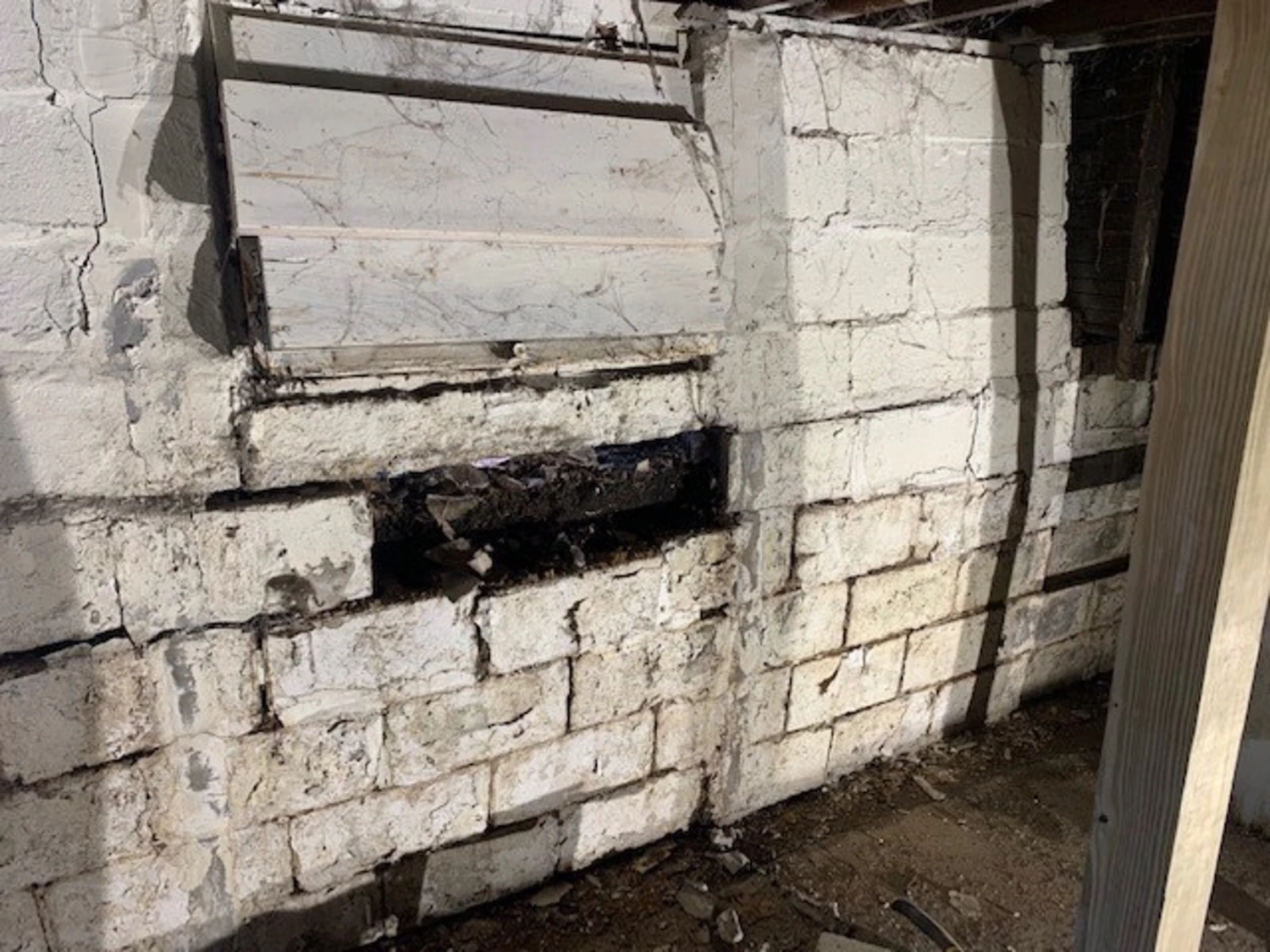
Understanding foundation troubles requires acknowledging the signs that show structural concerns below a structure. Property owners often neglect subtle indications, such as cracks in wall surfaces or uneven floorings, which might suggest changing or working out structures. Doors and windows that stick or stop working to close effectively can also indicate underlying problems. Water pooling around the foundation or too much moisture in the cellar could signal drainage concerns adding to foundation distress. Additionally, particular dirt types, like clay or sandy soil, can worsen foundation instability. Recognizing these indications early on is important for maintaining the architectural honesty of a home. Awareness of prospective foundation concerns encourages property owners to seek professional assessments and address worries prior to they rise into more significant problems.
The Value of Timely Repairs
Prompt fixings are essential for preserving a home's structural stability and stopping more damage. When foundation concerns emerge, they can quickly intensify right into more considerable problems if left unaddressed. Splits, uneven flooring, and bowing wall surfaces might appear small initially, but they typically suggest much deeper underlying concerns. Home owners that delay fixings take the chance of endangering not just the foundation however likewise the general security and value of their building. In addition, the longer repair services are delayed, the extra pricey they might come to be. Buying timely foundation repair can save homeowners from substantial damage and assure a steady living atmosphere. Routine inspections and instant activity are vital for maintaining a strong foundation and guaranteeing assurance for all locals.
Concrete Piering
Steel Piering
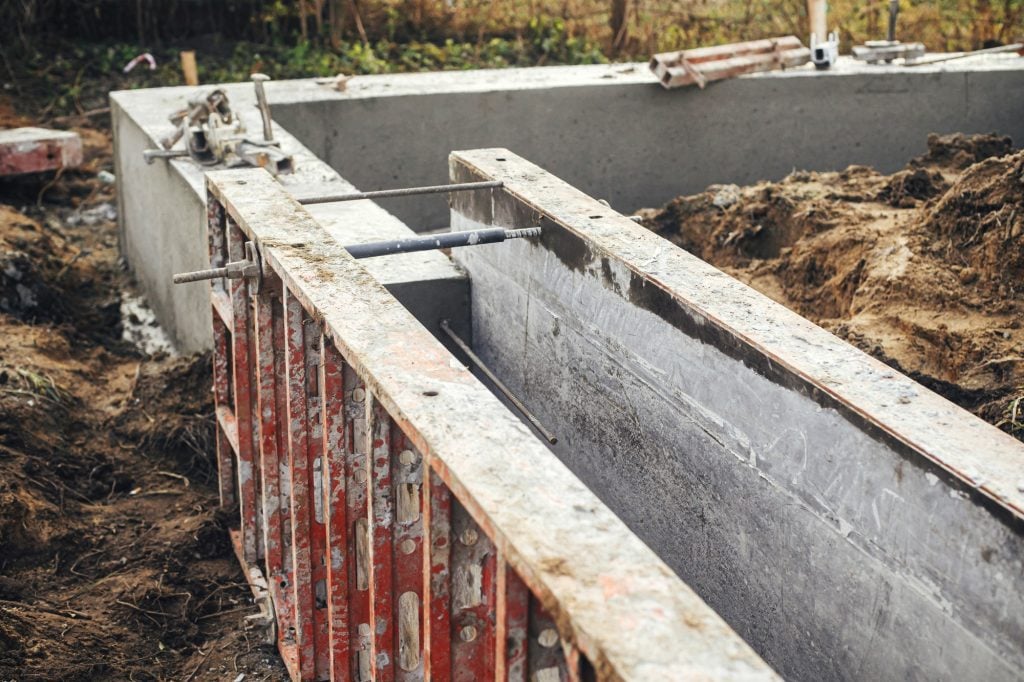
While concrete piering works, steel piering uses an alternative remedy for foundation repair that is especially fit for much more serious soil movement problems (Foundation Crack Repair). This approach includes the setup of steel piers, which are driven deep right into secure dirt or bedrock, giving a durable assistance system for the foundation. Steel piers are very sturdy, immune to deterioration, and with the ability of birthing considerable weight, making them excellent for homes experiencing significant negotiation. Their setup usually needs much less excavation than other methods, decreasing disruption to the residential property. Furthermore, steel piering can be adjusted after installation, allowing for continuous maintenance of the foundation as soil conditions transform. Generally, steel piering is a trustworthy selection for long-lasting foundation stabilization
Slabjacking
Slabjacking offers an effective option for training and supporting sunken concrete pieces, such as driveways, walkways, and cellar floorings. This technique involves injecting a specialized polyurethane foam or a cement-based combination beneath the piece. As the material broadens, it fills up voids and boosts the piece back to its original level. The procedure is minimally invasive and can be completed in a few hours, making it a practical choice for home owners. Additionally, slabjacking helps stop even more architectural damages by addressing underlying soil disintegration or negotiation concerns. It is an affordable choice to full concrete replacement, offering durable results while maintaining the visual appeals of the building. Generally, slabjacking is a reliable alternative for homeowners experiencing concrete slab problems.
Wall Anchors
Wall anchors act as an effective method for stabilizing bowing or leaning basement walls - Foundation Repair Des Moines. Foundation Crack Repair. The installment process includes safeguarding the supports to the wall and expanding them into the soil outside, supplying support and stopping more activity. Comprehending the advantages of wall surface anchors can help homeowners make notified choices concerning their foundation repair demands
Installation Process Overview
The installation process for wall anchors is a critical action in resolving foundation concerns effectively. At first, a specialist reviews the wall surface's problem and identifies the ideal places for anchor placement. Next, little holes are drilled via the basement wall to the soil exterior. Steel poles are then inserted right into these openings, attaching the wall surface to the supports hidden in the soil. Once the poles are in position, they are tightened up to develop stress, supporting the wall and stopping additional bowing or moving. After installation, the location is backfilled, and any disrupted soil is compressed to bring back the landscape. Appropriate setup guarantees that wall surface supports operate properly, giving essential support to compromised foundation walls.
Advantages of Wall Surface Anchors
After the setup of wall supports, house owners can benefit significantly from their structural assistance. Wall supports give a trusted technique to stabilize bowing or leaning walls, properly countering side soil pressure. This support aids avoid additional damage, minimizing the risk of extra substantial damage and pricey repair work. Wall supports are a non-invasive remedy, decreasing interruption to the home's inside and landscape. Their setup can usually be finished quickly, permitting homeowners to gain back peace of mind without long term building durations. Wall supports contribute to boosted property value by boosting the general architectural honesty of the home. Inevitably, these advantages make wall surface anchors a useful option for property owners looking for reliable foundation repair solutions.
Drainage Solutions
Effective drainage solutions are essential read more for preserving foundation stability. Appropriate grading methods, French drain setup, and sump pump capability all play vital functions in routing water far from a home's foundation. Resolving these components can significantly lower the threat of water-related damages.
Correct Grading Techniques
Appropriate grading strategies are vital for efficient drainage remedies, as they help direct water far from a framework's foundation. An ideal slope should incline far from the home, commonly at a grade of at the very least 2% or a quarter inch per foot over the very first 10 feet. This guarantees that water flows away as opposed to merging around the base. In addition, appropriate grading includes the calculated placement of soil, developing shapes that promote water drainage. It is vital to take right into account the surrounding landscape and any type of nearby frameworks that may impact drain patterns. Regular upkeep of the grading is also necessary to avoid erosion and preserve the effectiveness of the water drainage system with time, securing the foundation from potential water damages.
French Drain Installation
A well-installed French drain can considerably improve a residential property's drain system by efficiently rerouting water away from susceptible areas. This system usually consists of a trench loaded with gravel and a perforated pipeline that accumulates and networks excess water. When installed along the boundary of a structure or in areas vulnerable to pooling, French drains pipes help avoid water breach, which can jeopardize architectural honesty. Appropriate installment involves cautious preparation, including figuring out the incline for effective drainage and making certain that the outlet guides water away from the home. Regular maintenance, such as removing particles, is essential to maintain the drainpipe functioning efficiently. In general, a French drainpipe is a proactive option to minimize water-related foundation problems.
Sump Pump Capability
Sump pumps serve as a vital component in managing excess groundwater and avoiding flooding in basements and crawlspaces - Foundation Repair Des Moines. These gadgets are usually mounted in a sump pit, where they instantly turn on when water degrees increase to a fixed height. By effectively routing excess water far from the foundation, sump pumps help maintain a dry, steady atmosphere within the home. There are 2 primary types: stand and submersible. Pedestal pumps are installed above the sump pit, while submersible pumps are created to run underwater. Normal upkeep is vital to guarantee peak efficiency, consisting of checking the float switch and cleaning up the sump pit. A functioning sump pump significantly minimizes the threat of water damage, mold and mildew development, and architectural concerns, adding to long-lasting home security
Regularly Asked Inquiries
Just How Can I Determine Foundation Issues Early?
Determining foundation concerns early entails evaluating for fractures in wall surfaces, unequal floorings, doors that stick, and water pooling around the foundation. Normal tracking and prompt attention to these signs can stop more damages and expensive repair services.
What Are the Indicators of a Failing Foundation?
Indicators of a falling short foundation consist of fractures in floors or walls, windows and doors that stick, irregular or sloping floorings, spaces around home window frames, and water merging near the foundation, showing possible structural issues.
How Much Do Foundation Repairs Generally Cost?
Foundation fixings typically set you back in between $2,000 and $7,000, depending upon the extent of the damages and the repair method called for. Property owners ought to acquire several price quotes to assure they get a fair cost for necessary repairs.
Can I Repair My Foundation Myself?
Fixing a structure oneself is possible but calls for understanding, abilities, and proper devices (Foundation Repair). It is vital to analyze the damage properly and comprehend the risks entailed, as improper fixings can cause further architectural concerns
What Is the Life Expectancy of Foundation Repair Solutions?
The lifespan of foundation repair options generally varies from 10 to 30 years, relying on the method utilized and ecological factors. Normal maintenance and tracking can greatly improve the longevity of these repair services.
Home owners typically forget subtle signs, such as splits in walls or unequal floorings, which may suggest shifting or clearing up structures. Water pooling around the foundation or extreme dampness in the cellar might signal drainage problems adding to foundation distress. The setup process for wall anchors is a vital step in attending to foundation concerns effectively. Recognizing foundation issues early includes checking for splits in wall surfaces, uneven floors, doors that stick, and water pooling around the foundation (Basement Foundation Repair). Foundation repair work typically set you back in between $2,000 and $7,000, depending on the severity of the repair and the damage technique called for
Comments on “Why delaying Foundation Repair can lead to higher costs and structural risks”